Safely Washing Weatherboard Cottages in Mornington
Weatherboard cottages are part of what gives Mornington its character. From restored Federation-era homes near the town centre to beachside cottages around Mills Beach and Schnapper Point, timber cladding is common across the area. It is also more sensitive to cleaning than brick, render or concrete. Washing weatherboard the wrong way can force water behind the boards, strip paint, raise the grain of the timber and leave you with expensive repairs. Done properly, it removes the salt, mould and grime that build up on the Peninsula and helps your paint system last longer.
Why Weatherboard Needs a Different Approach
Weatherboards overlap, which creates narrow gaps where water can be driven upward and inward if it is sprayed at the wrong angle or pressure. Older cottages often have timber that has been repainted many times, with ageing putty, cracked paint films and original boards that may be softer than modern replacements. Some may still carry older lead-based paint layers beneath newer coats.
Mornington's coastal climate adds to the challenge. Salt-laden air, humidity off Port Phillip Bay, shaded south-facing walls and leaf litter from established gardens all encourage mould, mildew and algae. These need to be removed, but the method has to protect the timber and the paint.
Check the Condition Before You Wash
A short inspection before any water touches the walls can prevent most problems. Walk around the cottage in good light and look closely at the following:
- Flaking or peeling paint: High pressure will remove loose paint quickly and can expose bare timber to the weather.
- Soft or rotted boards: Press a screwdriver gently into suspect areas, particularly near the base of walls, window sills and under downpipes. If it sinks in easily, the timber is compromised.
- Gaps and failed sealant: Check around windows, doors, corner stops, vents and where boards meet.
- Open or damaged eaves and vents: Water can enter wall cavities or roof spaces through these.
- Old paint layers: If the cottage was built before the 1970s and has deteriorating paint, treat the dust, chips and wash water as potentially containing lead.
If you find extensive rot or paint failure, repair work may be needed before washing. In some cases, washing is not the right first step at all.
Lead Paint and Environmental Considerations
Many older Mornington cottages were painted with lead-based products before their phase-out in Australia. Lead paint that is intact is generally low risk, but flaking paint, dry scraping and aggressive blasting can release hazardous particles. If you suspect lead, use a lead test kit or arrange testing through a qualified professional before disturbing the surface.
Wash water should also be managed responsibly. Under Victorian EPA guidelines, wash water containing detergents, paint chips or contaminants should not be allowed to enter stormwater drains, which flow to Port Phillip Bay. Where practical, divert water onto lawn or garden beds that are not sensitive, use biodegradable products, or collect the runoff. Professional operators typically use containment mats or vacuum recovery on sites where this is required.
Choosing the Right Washing Method
Low-Pressure Soft Washing
Soft washing is generally the safest option for weatherboard. It uses low water pressure combined with a cleaning solution to break down mould, algae, lichen and grime, which are then rinsed away gently. Because the chemistry does most of the work, the timber and paint film are far less stressed.


Hand Washing
For delicate or heritage-listed cottages, a soft-bristle brush or sponge on an extension pole, combined with a mild detergent and a garden hose, is often the most controlled approach. It takes longer, but it gives you better feedback on how the surface is responding and reduces any risk of forcing water behind the boards.
High-Pressure Washing
High-pressure cleaning is rarely appropriate for weatherboard. If it is used at all, it should be at the lowest effective pressure, with a wide fan tip and a safe working distance. It should never be aimed upward into board laps, and it should not be used on cracked, peeling or aged paint. Most paint manufacturers and timber experts recommend avoiding high pressure on timber cladding altogether.
Step-by-Step: A Safe Washing Process
If you are cleaning a weatherboard cottage yourself, this sequence keeps risk low:
- Choose the right day. Pick a mild, overcast and calm day. Avoid direct sun, which makes cleaning solutions dry too quickly and leaves streaks, and avoid strong Peninsula winds that blow spray around.
- Prepare the site. Close windows and doors, cover or move outdoor furniture, protect electrical outlets and light fittings, and cover sensitive plants with plastic sheeting or wet them down beforehand.
- Pre-wet the surrounding garden. Hydrated plants are less likely to be damaged by runoff.
- Brush off loose debris. Remove cobwebs, leaves and loose dirt with a soft broom or brush, working from the top down.
- Apply a suitable cleaner. Use a mild, timber-safe detergent or a product designed for mould and algae on painted surfaces. Work in small sections from the bottom up to prevent streaking, then let it dwell for the time on the label.
- Agitate gently. Use a soft brush along the length of the boards, following the direction of the cladding, rather than scrubbing across the laps.
- Rinse thoroughly from the top down. Keep the spray angled downward and use low pressure so water flows over the boards, not behind them.
- Allow proper drying time. Let the timber dry completely before any painting, sealing or repair work. This can take several days in cooler or more humid conditions.
Products to Use and Avoid
Gentle products are best. A mild detergent diluted in water works well for general dirt. For mould and algae, look for cleaners formulated for painted exterior surfaces and follow the manufacturer's instructions on dilution and contact time.
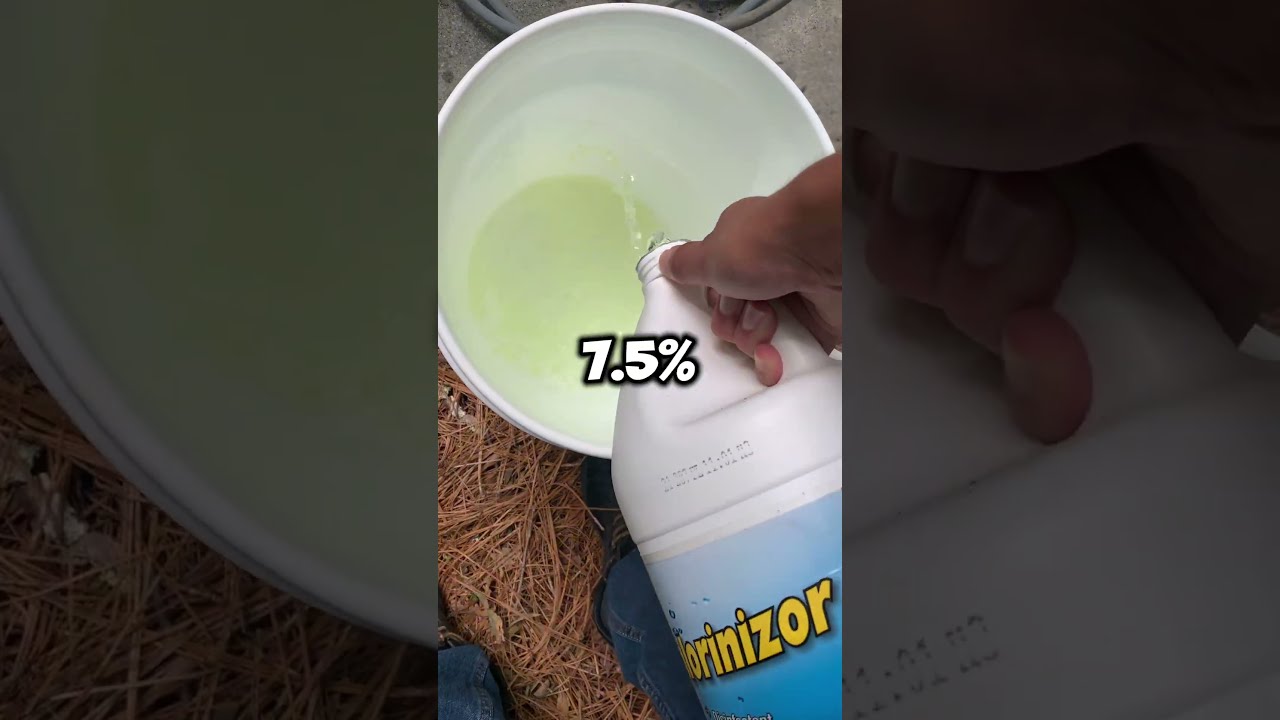
Be cautious with chlorine bleach. It can fade paint, damage timber fibres, harm plants and corrode metal fixings and flashings if used at strong concentrations. Never mix bleach with other cleaning products, particularly ammonia or acidic cleaners, as this can produce toxic gases. Avoid abrasive powders, wire brushes and harsh acid-based cleaners on timber and painted finishes.
Protecting Windows, Eaves and Details
Older cottage windows often have timber frames, aged putty and sash cords that do not cope well with heavy water exposure. Keep spray away from window seals, and avoid washing directly at the junction between glass and frame. Pay particular attention to:
- Decorative fretwork, finials and timber brackets, which are best cleaned by hand
- Verandah posts and balustrades, where water can pool in joints
- Gutters and downpipes, which should be cleared so that water drains away from walls
- Subfloor vents, which should not be sprayed directly
Dealing with Mould in Shaded and Coastal Areas
Southern and eastern walls, areas beneath dense trees and sections close to garden beds typically stay damp longer and grow mould faster. After cleaning, consider trimming back vegetation to improve airflow and sunlight. Keep garden beds and mulch below the level of the bottom board, as soil and organic material in contact with timber retains moisture and invites rot and termites.
Salt deposits from sea air can be gently rinsed off with fresh water regularly, particularly for homes close to the bay. Rinsing the lower walls and windows a few times a year can reduce https://louisefsk975.cavandoragh.org/safely-washing-weatherboard-cottages-in-mornington long-term salt build-up and help preserve paint.
How Often Should Weatherboard Be Washed?
For most Mornington cottages, a gentle wash once a year is enough to keep the timber and paint in good condition. Homes in heavily shaded spots, near the water or beneath large trees may benefit from cleaning every six to nine months. Regular light cleaning is easier on the paint than waiting until heavy mould or staining has built up and a stronger intervention is needed.
Timing Washing With Repainting
Washing is often the first step before repainting. A clean, dry surface helps new paint adhere properly. If your cottage is due for repainting, plan the process in sequence: wash, allow thorough drying, repair damaged boards, sand and prime bare timber, fill and seal gaps, then apply quality exterior paint. In Mornington's variable weather, aim for a stretch of dry, mild days, which are often more reliable in late spring, summer and early autumn.
When to Call a Professional
There are situations where hiring an experienced exterior cleaning or painting professional is the safer and more cost-effective choice:
- Two-storey cottages or steep sites where ladder or scaffold work is required
- Heritage-listed or character-overlay properties where inappropriate cleaning could affect original fabric
- Suspected lead paint or extensive peeling
- Widespread mould, lichen or green growth that has not responded to gentle cleaning
- Concerns about water entering walls, eaves or roof spaces
When choosing a provider, ask whether they have experience with timber cladding, what pressure and methods they use, how they manage runoff and lead risk, and whether they carry public liability insurance. A reputable operator will inspect the property first, explain their approach and be comfortable recommending a gentler method over a faster one.
Heritage and Local Planning Considerations
Parts of Mornington fall under heritage overlays or neighbourhood character controls through the Mornington Peninsula Shire. Routine cleaning generally does not need a permit, but repainting in different colours, replacing original materials or altering external features might. If your cottage is in a heritage area, check with the Shire's planning department before starting work beyond basic maintenance.
Final Thoughts
Washing a weatherboard cottage in Mornington is about protecting the building as much as improving its appearance. A gentle approach, with low pressure, appropriate products, careful preparation and attention to runoff, keeps water out of the walls and preserves the paint and timber beneath. Inspect first, choose your method wisely, and call in a qualified professional when the job is beyond a safe DIY wash. With regular care, your cottage can look good and stay sound for decades to come.
Mornington Peninsula Pressure Washing
(03) 8686 8331